The History Center in Tompkins County promotes local history through stewardship of our collections and by engaging with the community to understand the past, to gain perspective on the present, and to play an informed role in shaping the future.
The Exhibit Hall
“The Power of Water: A Dam Good Exhibit” is currently on display in our centrally located exhibit hall. Explore the history of floods, dams, mills, and more across Tompkins County in this beautiful blue curation of artifacts and archival documents.
The Research Library
Whether you’re a novice genealogist or expert academic, the Research Library is the place to find clues from Tompkins County past alongside Archivist, Donna Eschenbrenner.
The Archives and Collections
The History Center is home to many historical documents and artifacts, including a standing eight-square schoolhouse and George Washington’s signature. What will you discover?
Upcoming
THE LATEST
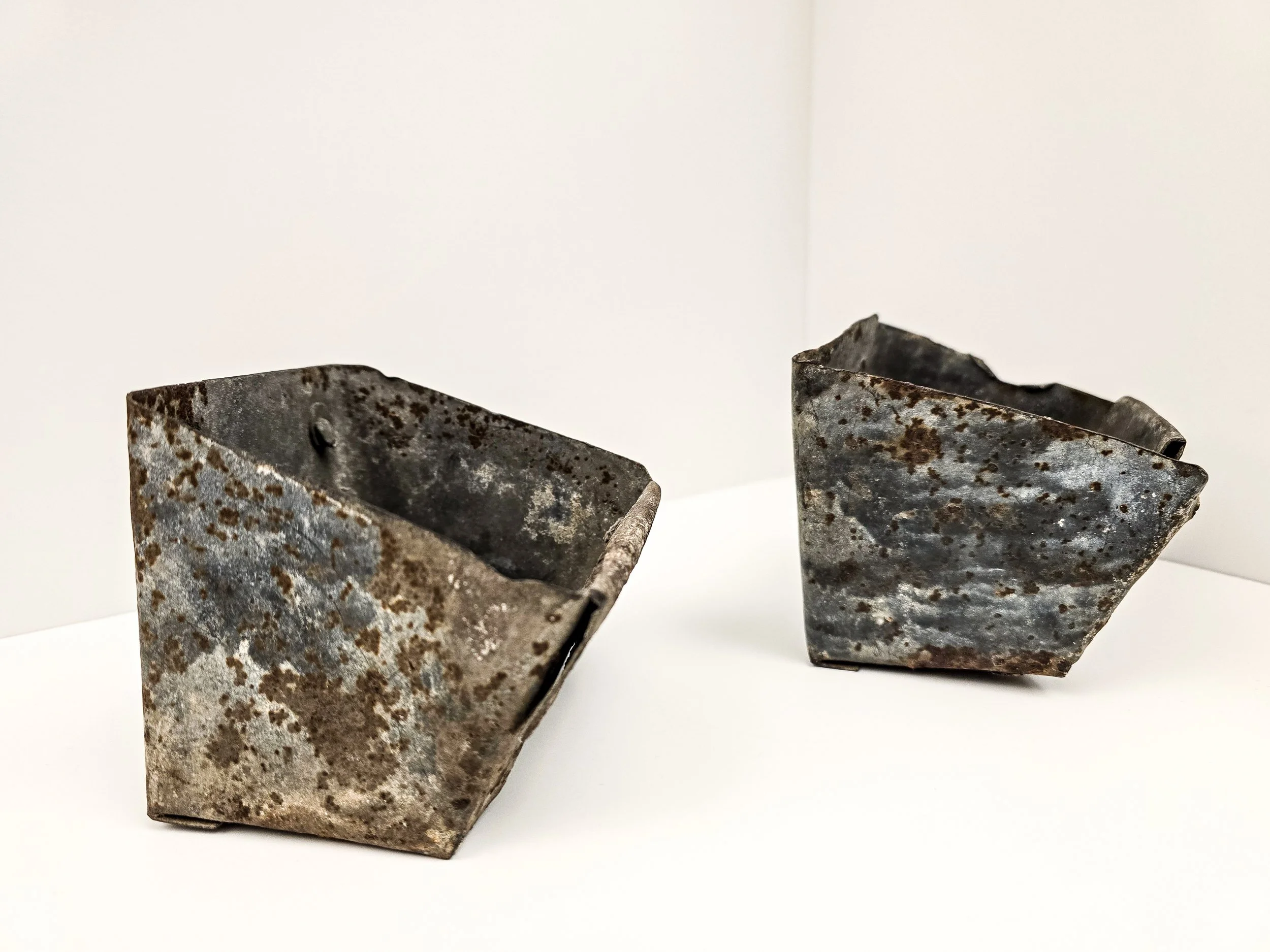
In 1936, George Holden, a farmer from Lansing, donated a mill pick—used to sharpen millstones—from the Jim Ford Mill to the newly re-established DeWitt Historical Society, now The History Center in Tompkins County. Decades later, Robert and Margery Clauson of Alpine, New York donated two conveyor buckets from the Old William Haskin Grist Mill, along with photographs and related documents. While researching these materials for an upcoming exhibit, “The Power of Water”, we made a surprising discovery…
The History Center in Tompkins County announces its 2026 annual exhibit, The Power of Water: A Dam Good Exhibit, opening February 2026 following a January installation closure. This new exhibition explores the essential role water has played in shaping Tompkins County’s landscape, infrastructure, economy, and culture.
Tompkins County stands as a vibrant testament to the power of water, an essential resource that not only sustains life but also enriches our environment…
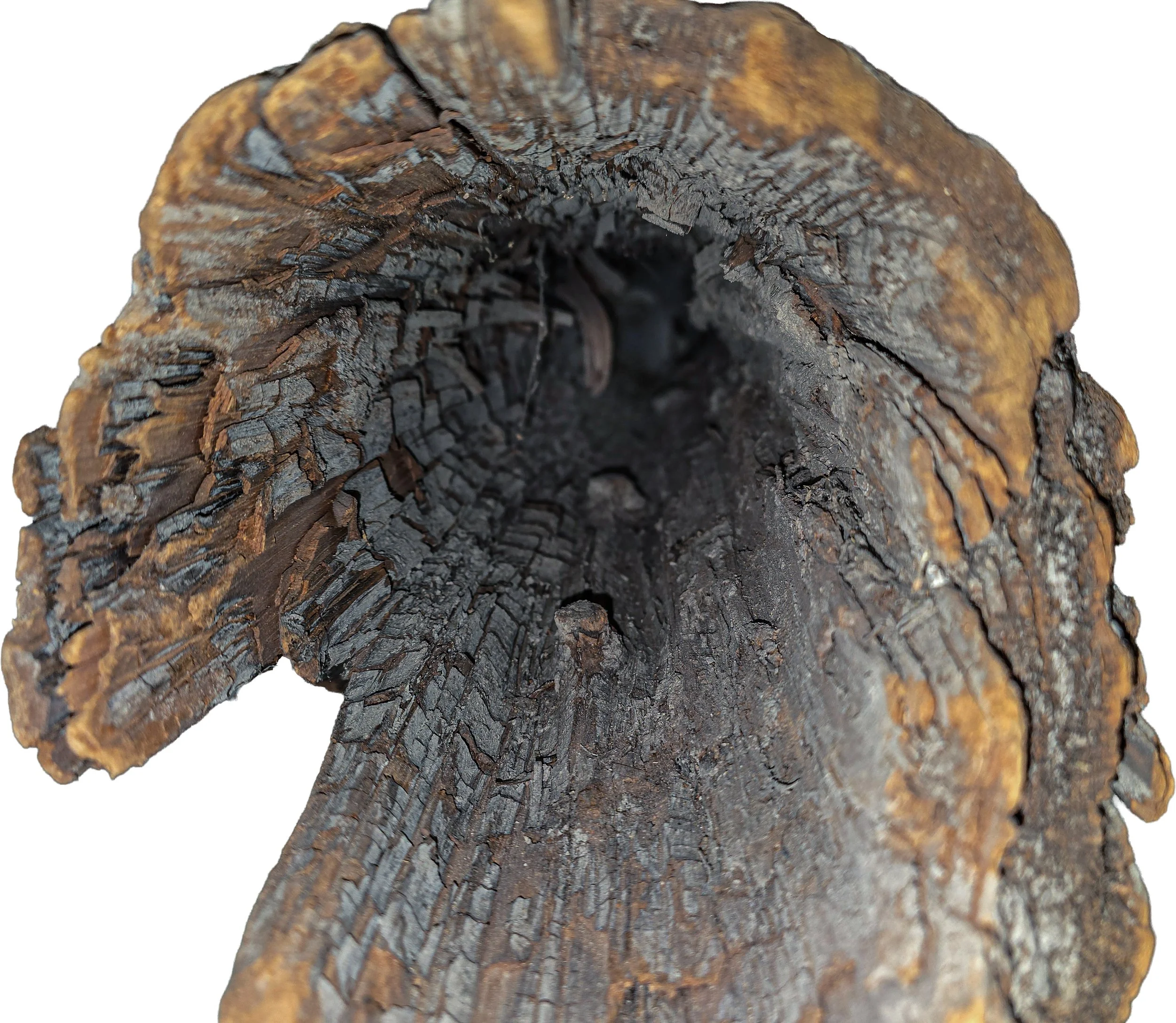
The shelves are metal and packed tightly together in the collections room at The History Center. Near an oversize red dollhouse, careful grey boxes of quilts, and hand-hewn farm implements is what appeared at first glance to be a log. It was an old log, but it wasn’t any old log, it was part of Ithaca’s early infrastructure: its first public water supply.
The log was part of an underground pipeline laid in 1822 by Phineas Bennett and his son, Phineas Bennett Jr., owners of a grist mill on Six Mile Creek above Aurora Street…
This is a milestone that has been years in the making — and it represents the beginning of a much larger journey to make our collections accessible to the public in a way they’ve never been before. A public access catalog is exactly what it sounds like: a searchable digital gateway to a museum or archival collection. It allows you to explore what we hold in our vaults, even if you can't visit the History Center in person…